
Brix gives a practical indication of dissolved solids in plant sap. In the PQS approach, it is used as a signal alongside crop image, climate, growth stage and root activity.
Sustainable plants
Plants signal. We translate. You grow stronger.
Plant physiology in clear language: understand what the plant shows through Brix, leaf, growth and roots.
Core idea
Plant physiology in clear language.
Plants tell exactly what is wrong through Brix, leaf, growth and roots. PQS helps you understand those signals and translate them into simpler, more robust crop cultivation.
A plant grows optimally when energy build-up, uptake and stress response are in balance. When that balance shifts, you see it in Brix, leaf quality, growth speed, disease sensitivity and roots.
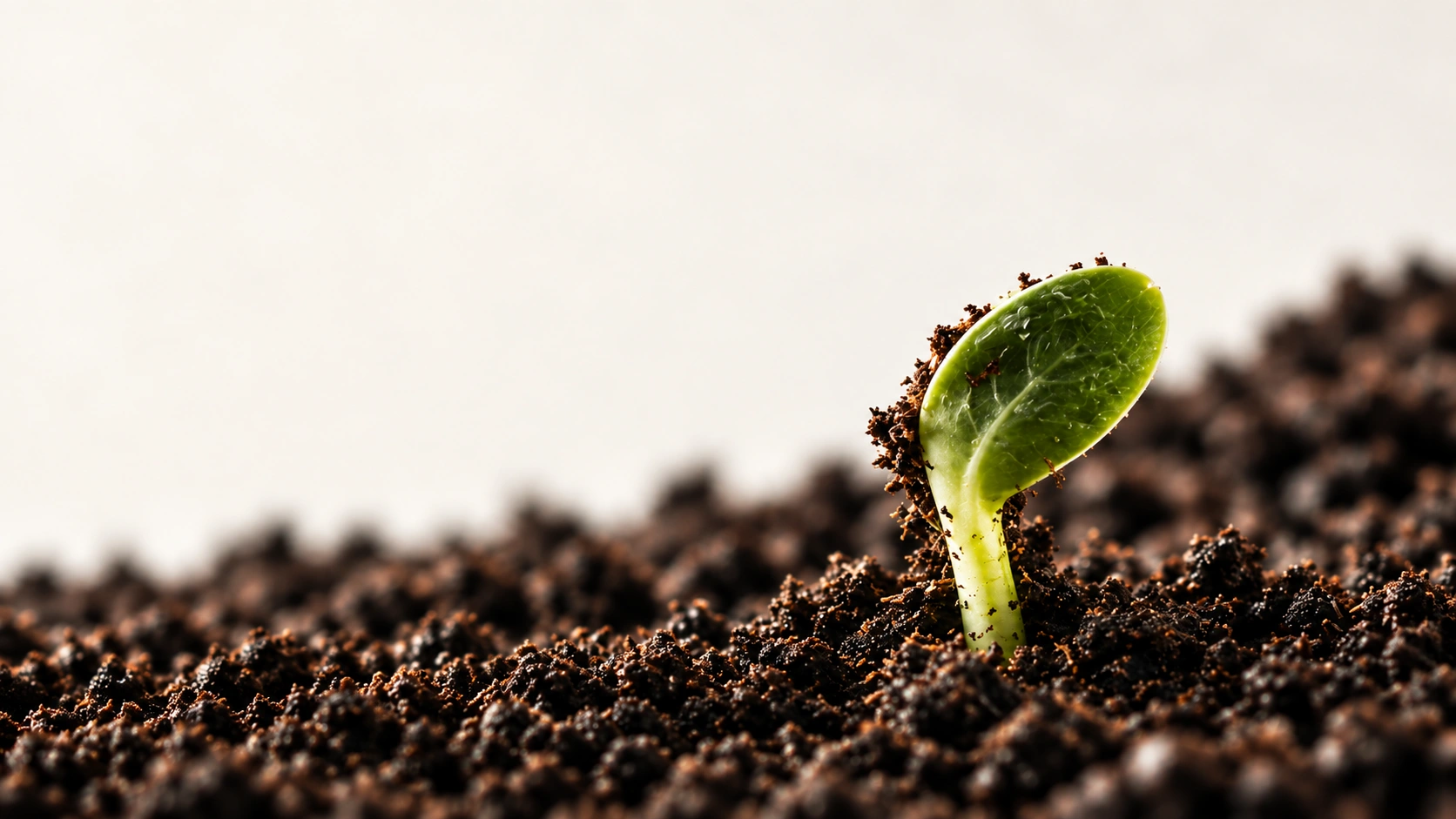
Brix
Brix as a fast window into energy, stress and resilience.
A falling or unexpectedly low value can indicate stress, disturbed uptake, insufficient energy build-up or a mismatch between pressure and recovery.
Not as an isolated number, but as part of diagnosis: what is the plant saying, what is the cause and which cultivation decision fits?
Sustainable plant practice
Four themes that return in advice, training and validation.
Plant energy
Understand whether the crop builds enough energy for growth, fruit load and recovery.
Stress timing
Recognize when climate, irrigation, root pressure or pathogens disturb the balance.
Root zone
Include the root zone in diagnosis, because uptake and resilience often start there.
Biostimulant fit
Assess biostimulants by timing, crop stage, stress level and real plant response.
Biostimulants in action
Biostimulants work best with the right timing and crop stage.
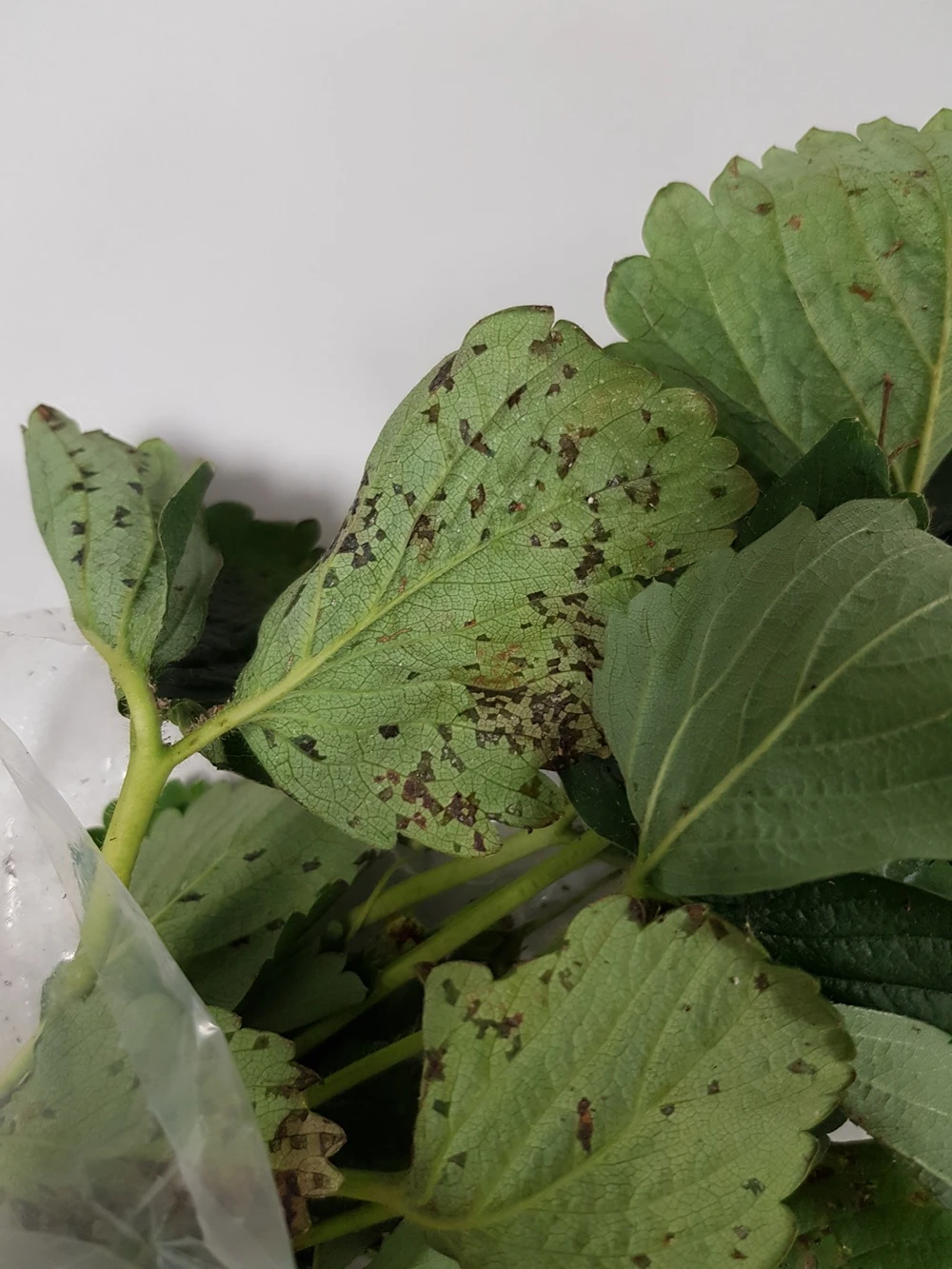
PQS develops and supports a well-founded, brand-independent plan for the right crop stage. Evaluation is based on plant response, not only on product claims.
Stronger root development with continued renewal
Better uptake and transport
Quicker recovery and more disease resilience
More stable Brix throughout the season
What sustainable plants delivers
Calmer cultivation decisions, without loss of growth.
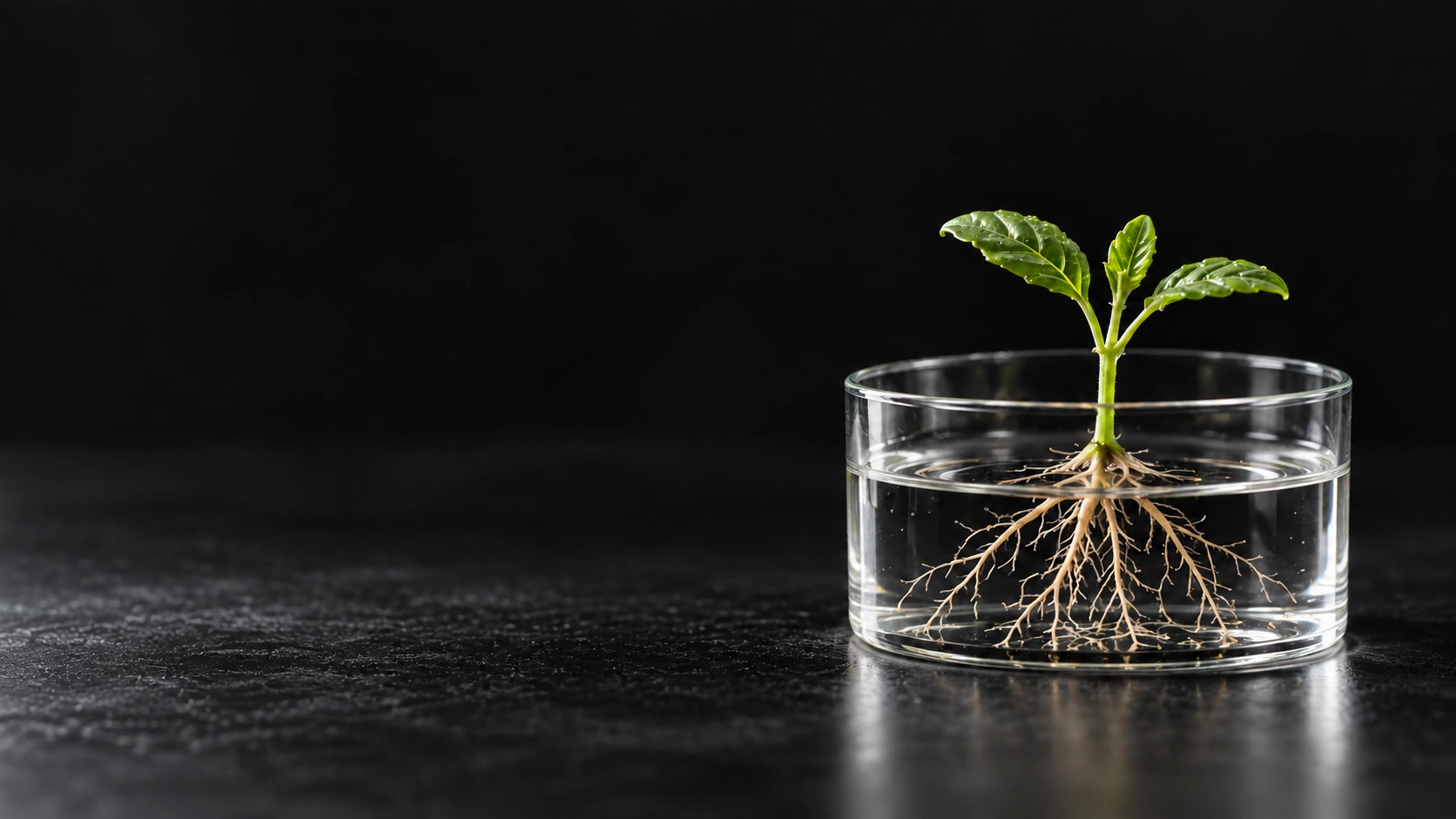
Stronger, energy-efficient plants
Less loss and less stress
Better uptake and balance
Smarter use of biostimulants
More sustainable cultivation without growth loss
More calm in cultivation decisions
Want to better understand your crop's signals? Start with a Brix check or a conversation about plant health in your cultivation.